Call Us Today: +254 720 264 896
Phone:+254 720 264 896 Phone:+254 710 737 878 Nairobi, Kenya P.O Box 8522 - 00300 Mon - Fri: 6:00 AM - 6:00 PM Sat: 9:00 AM - 12:00 PM Sun & Public Holidays: Closed

Vehicle Auctions in Kenya

City Masters Auctioneers provides professionally managed vehicle auction services for repossessed vehicles, commercial fleets, institutional assets, business vehicles and other vehicles authorised for sale. Our service covers vehicle preparation, documentation review, buyer communication, auction administration, bidding and post-auction collection processes.

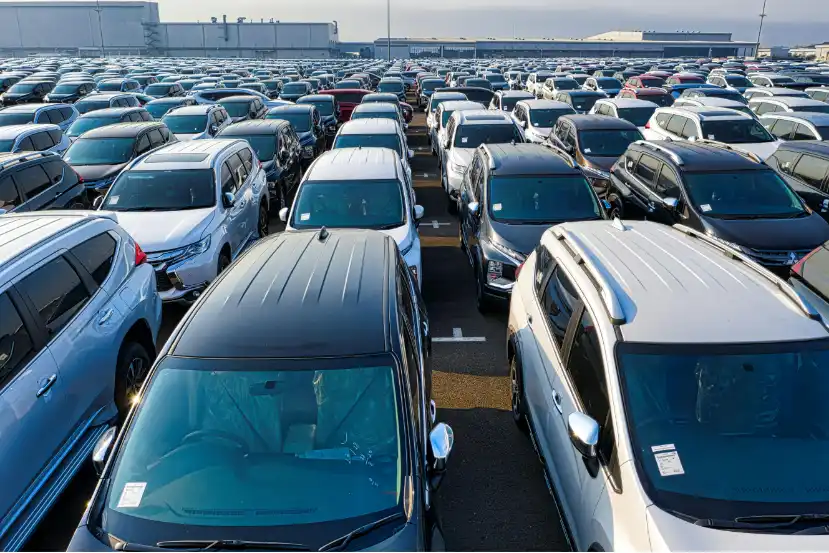
Vehicle auctions in Kenya conducted by professional auctioneers
01

Professional Vehicle Auction Services

Vehicle auctions provide an organised marketplace through which vehicles can be offered to prospective buyers under defined sale conditions. They are commonly used for repossessed vehicles, surplus company vehicles, fleet disposals, institutional vehicles and other vehicles that an authorised owner or instructing party has decided to sell through auction.

A successful vehicle auction involves considerably more than placing a vehicle on a list and accepting bids. Buyers need useful information about the vehicle, while the instructing client needs an orderly process for preparing the asset, promoting the sale, administering bidders and completing the transaction after a successful bid.

City Masters Auctioneers provides a structured approach to vehicle auctions in Kenya, with attention to vehicle identification, available ownership documentation, condition information, viewing arrangements, bidding, payment requirements and collection. The exact procedures depend on the vehicle and the circumstances under which it is being offered for sale.

What we provide

Vehicle Auction Services and Capabilities

Our vehicle auction service is structured around the practical requirements of preparing, presenting and selling vehicles through a professional auction process.

01

Vehicle Identification and Auction Preparation

Before a vehicle is presented for auction, it should be properly identified and prepared for prospective buyers. This includes establishing the vehicle's basic details, available documentation, identifying features and the information required to distinguish it from other vehicles in the sale.

Proper preparation becomes particularly important where an auction contains several vehicles of different makes, models, years or categories. Clear identification allows buyers to evaluate the particular vehicle they are interested in and reduces uncertainty during the bidding process.

The preparation process can also identify information that may require clarification before the vehicle is marketed, helping create a more organised auction catalogue and sale process.

02

Vehicle Condition Assessment and Inspection

Vehicle condition is an important consideration for auction buyers. Where inspection information is available, prospective purchasers can use it alongside physical viewing to form their own assessment before deciding whether to bid.

Condition assessment may consider visible bodywork, interior condition, tyres, identifying components, apparent mechanical condition and other observable characteristics relevant to the vehicle. The depth of inspection depends on the vehicle, assignment and inspection arrangements.

Buyers should carefully inspect vehicles where viewing is provided and understand the applicable conditions of sale, particularly where vehicles are sold according to stated condition or on an “as is” basis.

03

Vehicle Documentation and Ownership Records

Vehicle documentation is an important consideration when preparing a vehicle for auction. Available ownership records, registration information and other relevant documentation should be reviewed according to the circumstances of the sale.

Prospective buyers should examine the documentation made available for the vehicle and satisfy themselves about ownership, registration and transfer requirements before placing a bid. Requirements can differ depending on the vehicle and the circumstances under which it is being sold.

Where documentation requires clarification, the issue should be addressed through the appropriate party before completion of the transaction rather than assumed after a successful bid.

04

Vehicle Market Value Assessment

Understanding the likely market position of a vehicle can assist an instructing client when planning an auction. Vehicle values are influenced by factors such as make, model, age, mileage, condition, specification, demand, maintenance history where available and prevailing market conditions.

A valuation or market assessment can provide useful information when establishing an auction strategy and, where applicable, considering an appropriate reserve position.

The value of a vehicle should not be treated as a guaranteed selling price. Actual auction results are influenced by buyer demand, vehicle condition, sale terms and the level of competition generated during the particular auction.

05

Repossessed Vehicle Auctions

Repossessed vehicles can be offered for auction where the relevant creditor or authorised party has the legal and contractual authority to realise the vehicle. These assignments require careful handling because the auction is part of a wider recovery process.

Repossessed vehicles may include private cars, pickup trucks, commercial vehicles, vans, trucks and other motorised assets depending on the recovery assignment. Before sale, the available vehicle information and applicable sale conditions should be established.

City Masters Auctioneers can manage the auction component of an authorised recovery assignment, including buyer communication, bidding administration and post-sale procedures applicable to the particular vehicle.

06

Corporate Fleet and Commercial Vehicle Auctions

Businesses often replace vehicles as part of fleet renewal, operational restructuring or changes in transport requirements. Older fleet units and vehicles that are no longer required can therefore become candidates for organised auction disposal.

Commercial vehicle auctions can include company cars, utility vehicles, vans, pickups, trucks and other fleet assets where auction disposal is appropriate. Organising these assets into clearly presented lots allows prospective buyers to understand what is being offered.

For organisations disposing of several vehicles, structured auction administration can also help maintain a clearer record of the vehicles offered, successful bids and subsequent collection arrangements.

07

Vehicle Viewing and Buyer Inspection

Vehicle viewing gives prospective buyers an opportunity to examine the physical asset before committing to a bid. This can be particularly important for used, repossessed and commercial vehicles where condition can vary significantly between individual units.

Buyers may examine the bodywork, interior, tyres, engine bay, identifying features and other accessible aspects of the vehicle during the permitted viewing period. They should also review any documentation and condition information made available for the sale.

Prospective buyers should conduct their own due diligence before bidding and should not rely solely on photographs or brief descriptions when a physical inspection opportunity is available.

08

Reserve Price and Auction Strategy

A reserve price, where applicable, establishes the minimum selling position acceptable to the instructing client under the auction conditions. Determining an appropriate reserve can involve consideration of valuation information, vehicle condition and expected buyer demand.

An excessively high reserve may discourage competitive bidding, while a position that does not adequately reflect the client's objectives may result in an undesirable outcome. The appropriate strategy therefore depends on the circumstances of the particular vehicle.

The reserve arrangements and other conditions governing the sale should be clearly communicated through the applicable auction terms.

09

Live and Digital Vehicle Bidding

Depending on the auction arrangements, vehicle sales can provide opportunities for physical participation, digital bidding or a combination of both. Digital participation can make it possible for interested buyers who cannot attend the physical location to participate where the applicable auction platform permits.

Regardless of the bidding method, participants should understand the registration process, bidding instructions, payment requirements, collection arrangements and conditions of sale before taking part.

The bidding method used for an individual vehicle auction will depend on the arrangements established for that particular sale.

10

Auction Catalogue and Vehicle Marketing

Vehicle marketing is intended to place useful information about available vehicles in front of appropriate prospective buyers. An effective vehicle listing can communicate the vehicle category, identifying details, photographs, viewing information, auction arrangements and relevant conditions.

Marketing is particularly important where an auction contains commercial vehicles, fleet units or specialised vehicles because these assets may appeal to different buyer groups.

Clear descriptions help prospective buyers decide whether a vehicle is relevant to their requirements before they proceed to viewing and bidding.

11

Winning Bid and Payment Administration

After a successful bid, the buyer must comply with the payment requirements contained in the applicable conditions of sale. These requirements should be understood before bidding because a successful bid creates obligations under the auction terms.

Post-auction administration can involve confirming the successful bidder, communicating payment instructions, recording the sale and confirming the requirements that must be completed before the vehicle can be released.

The precise payment arrangements, deadlines and other completion requirements depend on the individual auction and should therefore be confirmed from the official sale conditions.

12

Vehicle Collection and Handover

Once the applicable payment and completion requirements have been satisfied, the successful buyer can proceed with the vehicle collection process according to the arrangements for the sale.

Collection may require coordination around the vehicle's location, release documentation, transport arrangements and any applicable access requirements. Commercial vehicles and non-running vehicles may also require specialised recovery or transportation arrangements.

A clearly managed handover process helps establish when the vehicle is released and ensures the relevant collection and documentation requirements are followed.

02

Who Uses Vehicle Auction Services?

Vehicle auction services can be used by creditors and authorised asset owners seeking to realise value from vehicles, businesses disposing of fleet assets and organisations replacing vehicles that are no longer required for their operations.

Buyers can also use vehicle auctions to access a wide range of used vehicles through a competitive purchasing environment. Depending on the auction, available vehicles may include private cars, commercial vans, pickups, trucks, utility vehicles and other motorised assets.

Each vehicle should be assessed on its own condition, documentation, sale terms and suitability for the buyer's intended use. Prospective purchasers should complete their own due diligence before bidding.

The auction process

How a Vehicle Auction Works

A professional vehicle auction follows a sequence of preparation, buyer engagement, bidding and post-sale administration. The exact procedure depends on the type of vehicle and the terms governing the particular auction.

01

Vehicle Assessment

Vehicle details, condition, available documentation and sale requirements are established before the vehicle is presented to prospective buyers.

02

Catalogue Preparation

Relevant vehicle information, photographs and auction details are organised to provide prospective buyers with useful information about the sale.

03

Buyer Marketing

The available vehicles are promoted to appropriate prospective buyers through the channels applicable to the auction.

04

Viewing and Due Diligence

Where viewing is provided, prospective buyers can inspect the vehicles and review the information available before deciding whether to bid.

05

Competitive Bidding

Registered participants submit bids according to the applicable auction procedure and conditions of sale.

06

Payment and Collection

Successful buyers complete the applicable payment and collection requirements before the vehicle is released.

Vehicle Auctions in Kenya

City Masters Auctioneers provides professionally managed vehicle auction services for repossessed vehicles, commercial fleets, institutional assets, business vehicles and other vehicles authorised for sale. Our service covers vehicle preparation, documentation review, buyer communication, auction administration, bidding and post-auction collection processes.

Vehicle auctions in Kenya conducted by professional auctioneers
01

Professional Vehicle Auction Services

Vehicle auctions provide an organised marketplace through which vehicles can be offered to prospective buyers under defined sale conditions. They are commonly used for repossessed vehicles, surplus company vehicles, fleet disposals, institutional vehicles and other vehicles that an authorised owner or instructing party has decided to sell through auction.

A successful vehicle auction involves considerably more than placing a vehicle on a list and accepting bids. Buyers need useful information about the vehicle, while the instructing client needs an orderly process for preparing the asset, promoting the sale, administering bidders and completing the transaction after a successful bid.

City Masters Auctioneers provides a structured approach to vehicle auctions in Kenya, with attention to vehicle identification, available ownership documentation, condition information, viewing arrangements, bidding, payment requirements and collection. The exact procedures depend on the vehicle and the circumstances under which it is being offered for sale.

What we provide

Vehicle Auction Services and Capabilities

Our vehicle auction service is structured around the practical requirements of preparing, presenting and selling vehicles through a professional auction process.

01

Vehicle Identification and Auction Preparation

Before a vehicle is presented for auction, it should be properly identified and prepared for prospective buyers. This includes establishing the vehicle's basic details, available documentation, identifying features and the information required to distinguish it from other vehicles in the sale.

Proper preparation becomes particularly important where an auction contains several vehicles of different makes, models, years or categories. Clear identification allows buyers to evaluate the particular vehicle they are interested in and reduces uncertainty during the bidding process.

The preparation process can also identify information that may require clarification before the vehicle is marketed, helping create a more organised auction catalogue and sale process.

02

Vehicle Condition Assessment and Inspection

Vehicle condition is an important consideration for auction buyers. Where inspection information is available, prospective purchasers can use it alongside physical viewing to form their own assessment before deciding whether to bid.

Condition assessment may consider visible bodywork, interior condition, tyres, identifying components, apparent mechanical condition and other observable characteristics relevant to the vehicle. The depth of inspection depends on the vehicle, assignment and inspection arrangements.

Buyers should carefully inspect vehicles where viewing is provided and understand the applicable conditions of sale, particularly where vehicles are sold according to stated condition or on an “as is” basis.

03

Vehicle Documentation and Ownership Records

Vehicle documentation is an important consideration when preparing a vehicle for auction. Available ownership records, registration information and other relevant documentation should be reviewed according to the circumstances of the sale.

Prospective buyers should examine the documentation made available for the vehicle and satisfy themselves about ownership, registration and transfer requirements before placing a bid. Requirements can differ depending on the vehicle and the circumstances under which it is being sold.

Where documentation requires clarification, the issue should be addressed through the appropriate party before completion of the transaction rather than assumed after a successful bid.

04

Vehicle Market Value Assessment

Understanding the likely market position of a vehicle can assist an instructing client when planning an auction. Vehicle values are influenced by factors such as make, model, age, mileage, condition, specification, demand, maintenance history where available and prevailing market conditions.

A valuation or market assessment can provide useful information when establishing an auction strategy and, where applicable, considering an appropriate reserve position.

The value of a vehicle should not be treated as a guaranteed selling price. Actual auction results are influenced by buyer demand, vehicle condition, sale terms and the level of competition generated during the particular auction.

05

Repossessed Vehicle Auctions

Repossessed vehicles can be offered for auction where the relevant creditor or authorised party has the legal and contractual authority to realise the vehicle. These assignments require careful handling because the auction is part of a wider recovery process.

Repossessed vehicles may include private cars, pickup trucks, commercial vehicles, vans, trucks and other motorised assets depending on the recovery assignment. Before sale, the available vehicle information and applicable sale conditions should be established.

City Masters Auctioneers can manage the auction component of an authorised recovery assignment, including buyer communication, bidding administration and post-sale procedures applicable to the particular vehicle.

06

Corporate Fleet and Commercial Vehicle Auctions

Businesses often replace vehicles as part of fleet renewal, operational restructuring or changes in transport requirements. Older fleet units and vehicles that are no longer required can therefore become candidates for organised auction disposal.

Commercial vehicle auctions can include company cars, utility vehicles, vans, pickups, trucks and other fleet assets where auction disposal is appropriate. Organising these assets into clearly presented lots allows prospective buyers to understand what is being offered.

For organisations disposing of several vehicles, structured auction administration can also help maintain a clearer record of the vehicles offered, successful bids and subsequent collection arrangements.

07

Vehicle Viewing and Buyer Inspection

Vehicle viewing gives prospective buyers an opportunity to examine the physical asset before committing to a bid. This can be particularly important for used, repossessed and commercial vehicles where condition can vary significantly between individual units.

Buyers may examine the bodywork, interior, tyres, engine bay, identifying features and other accessible aspects of the vehicle during the permitted viewing period. They should also review any documentation and condition information made available for the sale.

Prospective buyers should conduct their own due diligence before bidding and should not rely solely on photographs or brief descriptions when a physical inspection opportunity is available.

08

Reserve Price and Auction Strategy

A reserve price, where applicable, establishes the minimum selling position acceptable to the instructing client under the auction conditions. Determining an appropriate reserve can involve consideration of valuation information, vehicle condition and expected buyer demand.

An excessively high reserve may discourage competitive bidding, while a position that does not adequately reflect the client's objectives may result in an undesirable outcome. The appropriate strategy therefore depends on the circumstances of the particular vehicle.

The reserve arrangements and other conditions governing the sale should be clearly communicated through the applicable auction terms.

09

Live and Digital Vehicle Bidding

Depending on the auction arrangements, vehicle sales can provide opportunities for physical participation, digital bidding or a combination of both. Digital participation can make it possible for interested buyers who cannot attend the physical location to participate where the applicable auction platform permits.

Regardless of the bidding method, participants should understand the registration process, bidding instructions, payment requirements, collection arrangements and conditions of sale before taking part.

The bidding method used for an individual vehicle auction will depend on the arrangements established for that particular sale.

10

Auction Catalogue and Vehicle Marketing

Vehicle marketing is intended to place useful information about available vehicles in front of appropriate prospective buyers. An effective vehicle listing can communicate the vehicle category, identifying details, photographs, viewing information, auction arrangements and relevant conditions.

Marketing is particularly important where an auction contains commercial vehicles, fleet units or specialised vehicles because these assets may appeal to different buyer groups.

Clear descriptions help prospective buyers decide whether a vehicle is relevant to their requirements before they proceed to viewing and bidding.

11

Winning Bid and Payment Administration

After a successful bid, the buyer must comply with the payment requirements contained in the applicable conditions of sale. These requirements should be understood before bidding because a successful bid creates obligations under the auction terms.

Post-auction administration can involve confirming the successful bidder, communicating payment instructions, recording the sale and confirming the requirements that must be completed before the vehicle can be released.

The precise payment arrangements, deadlines and other completion requirements depend on the individual auction and should therefore be confirmed from the official sale conditions.

12

Vehicle Collection and Handover

Once the applicable payment and completion requirements have been satisfied, the successful buyer can proceed with the vehicle collection process according to the arrangements for the sale.

Collection may require coordination around the vehicle's location, release documentation, transport arrangements and any applicable access requirements. Commercial vehicles and non-running vehicles may also require specialised recovery or transportation arrangements.

A clearly managed handover process helps establish when the vehicle is released and ensures the relevant collection and documentation requirements are followed.

02

Who Uses Vehicle Auction Services?

Vehicle auction services can be used by creditors and authorised asset owners seeking to realise value from vehicles, businesses disposing of fleet assets and organisations replacing vehicles that are no longer required for their operations.

Buyers can also use vehicle auctions to access a wide range of used vehicles through a competitive purchasing environment. Depending on the auction, available vehicles may include private cars, commercial vans, pickups, trucks, utility vehicles and other motorised assets.

Each vehicle should be assessed on its own condition, documentation, sale terms and suitability for the buyer's intended use. Prospective purchasers should complete their own due diligence before bidding.

The auction process

How a Vehicle Auction Works

A professional vehicle auction follows a sequence of preparation, buyer engagement, bidding and post-sale administration. The exact procedure depends on the type of vehicle and the terms governing the particular auction.

01

Vehicle Assessment

Vehicle details, condition, available documentation and sale requirements are established before the vehicle is presented to prospective buyers.

02

Catalogue Preparation

Relevant vehicle information, photographs and auction details are organised to provide prospective buyers with useful information about the sale.

03

Buyer Marketing

The available vehicles are promoted to appropriate prospective buyers through the channels applicable to the auction.

04

Viewing and Due Diligence

Where viewing is provided, prospective buyers can inspect the vehicles and review the information available before deciding whether to bid.

05

Competitive Bidding

Registered participants submit bids according to the applicable auction procedure and conditions of sale.

06

Payment and Collection

Successful buyers complete the applicable payment and collection requirements before the vehicle is released.

master auctioneers WhatsApp number master auctioneers Phone number